

Smoking is surely detrimental to one’s health, right? People are often bombarded with warnings about the negative effects of smoking and are persuaded to quit by health authorities. It has even got to the point now where people are being deprived of access to healthcare services if they smoke, and this is on the grounds that ‘smoking will delay the onset of healing and may aggravate one’s pre-existing condition’.
According to the World Health Organisation:
“the tobacco epidemic is one of the biggest public health threats the world has ever faced, killing around 6 million people a year. More than 5 million of those deaths are the result of direct tobacco use while more than 600 000 are the result of non-smokers being exposed to second-hand smoke.”
But like any other claim promulgated by the established health authorities, it is wise to question whether there is actually any truth to it. Bear in mind, it is these same authorities which recommend a low-fat, high-carbohydrate diet (and we have seen how detrimental that has been to the general population’s health). It is also those same people who would recommend treating chronic illness with synthetic pharmaceutical drugs, or the complete removal of entire organs (again, clearly not a successful approach). Anyone who pays attention can see that the authorities clearly don’t care about people’s health because they are more concerned with profit margins. So in this context rational inquiry demands that we look into whether tobacco is really ‘all that bad’.
An alternative perspective
I’m not going to analyse each and every published study on the smoking-lung cancer connection. There is so much information available on the topic that I would need to write a whole book to include every detail. Fortunately, several books have already dealt with the subject extensively, so for those who would like to conduct some in-depth research into the evidence, I will refer you to Smoke Screens: The Truth About Tobacco by Richard White, In Defense of Smokers by Lauren A. Colby, and The Smoking Scare De-bunked by Dr William T. Whitby.
Instead, I will briefly touch upon some of the main issues surrounding the ‘smoking-causes-lung cancer’ theory, and then progress onto a more in-depth and objective examination of tobacco’s actual effects on the human body.
So let’s start by asking: does tobacco really cause cancer, or is it simply associated with it? Anti-smoking campaigners would have you believe that smoking causes cancer, and that this belief is universally accepted among all scientific disciplines. Interestingly enough, it’s not. There have actually been several prominent figures in science who have openly condemned, questioned, and opposed this theory.
Here are a couple of quotes from Whitby’s The Smoking Scare Debunked1:
“No ingredient of cigarette smoke has been shown to cause human lung cancer. No-one has been able to produce lung cancer in laboratory animals from smoking.” – Professor Schrauzer, President of the International Bio-inorganic Chemists
“It is fanciful extrapolation – not factual data. The unscientific way in which the study was made bothers us most. The committee agreed first that smoking causes lung cancer and then they set out to prove it statistically.” (U.S. Congressional Record.) – Professor M.B. Rosenblatt, New York Medical College
“The belief that smoking is the cause of lung cancer is no longer widely held by scientists. Smoking is no longer seen as a cause of heart disease, except by a few zealots.” – Professor Sheldon Sommers, New York Academy of Medicine and Science
“The natural experiment (referring to a rise in lung cancer when people were unable to smoke) shows conclusively that the hypothesis must be abandoned.“- Dr. B. Dijkstra, University of Pretoria
“As a scientist I find no persuasive evidence that cigarette smoking causes lung cancer.” – Dr. Ronald Okun, director of Clinical Pathology, LA
“After years of intensive research, no compound in cigarette smoking has been established as a health hazard.” – Professor Charles H. Hine, University of California
The two main studies at the foundation of the smoking-cancer myth are the ‘Doll and Hill’ study (1956, also called the British Doctors’ Study) and the ‘Whitehall’ study (1967, a study of mortality rates among male British civil servants). To briefly summarize their findings: Doll and Hill found a slightly increased risk of lung cancer in smokers when compared to non-smokers. The results of this particular study were widely publicized and were one of the main drivers behind the whole ‘anti-smoking’ campaign that followed shortly afterward. However, what Doll and Hill failed to publicly mention was that their results actually showed that smokers who inhaled the smoke were at a significantly decreased risk compared to smokers who didn’t inhale.2 Presumably, this detail was left out because it didn’t support the theory that they were trying to prove. Next up, the results of the Whitehall study went like this: people who gave up smoking showed no improvement in life expectancy; there were also no changes in deaths caused by heart disease, lung cancer, or other causes. The only exception was that certain types of cancer were more than twice as common in people who gave up smoking. Nevertheless, these inconvenient facts were hidden beneath a load of technical jargon which makes the report difficult to read. It seems that, even back then, there was an agenda to demonize smoking so the interpretation of the data was twisted in such a way that smoking tobacco would take the blame.
Much other research has identified correlations between smoking and lung cancer. The problem is, researcher bias often comes into play. Basically, researchers who are aiming to confirm an original hypothesis are more likely to unconsciously misinterpret the data. Since funding is involved in research, there may also be pressure ‘from above’ to present a specific conclusion to the public, even though the results proved to be different. With tobacco research, this is usually the case, it seems. The author’s conclusion of the study often bears little or no resemblance to the actual findings.
Instead of data being reported back to the public in its raw form, reports can be skewed and manipulated beforehand to imply causation. It must be understood that there is a stark difference between (1) identifying a correlation between two factors, and (2) identifying the cause of a thing. It’s quite simple to identify correlations and associations. For example, there is a significant correlation between basketball players and being tall. Does this mean that playing basketball causes people to grow taller? Clearly not. Mexican lemon imports are also inversely correlated with highway deaths in the US. Does this mean that importing lemons prevents deaths on the highway? No, of course it doesn’t. It would be ludicrous to suggest otherwise. This is why correlation can never imply causation. Unfortunately, however, when it comes to tobacco, this rule apparently does not apply. The truth is that no study has ever managed to conclusively prove that smoking is the direct cause of lung cancer, heart disease, emphysema, nor any other disease it has been routinely associated with.
For several years now, biased scientists with personal agendas have approached this subject with vested interests in certain outcomes, namely that smoking causes cancer and other chronic diseases. There is also an abundance of evidence suggesting that these same individuals have intentionally misinterpreted data in order to further their own personal goals and aspirations. These twisted interpretations of data have been publicized en masse by media and public health giants ever since. So despite the increasing number of studies suggesting otherwise, the common belief that smoking causes cancer has become thoroughly ingrained in almost everyone’s mind. It is therefore likely that the majority of the scientific community also operates under this faulty assumption, and so the implications are that the quality of scientific research into this area has been, and will be, undoubtedly skewed.
In spite of this, there is some fascinating research that has been published over the past 30 years on tobacco and smoking. Unsurprisingly, these data were not made widely available and most are completely unaware of the findings. And so I will briefly summarize some pertinent studies below.
First of all, one recent study showed that people with a diet high in GI (glycemic index) foods (such as breads, pastas and rice) were almost 50% more likely to develop lung cancer. Within these results, non-smokers were found to be twice as likely to develop the cancer when compared with smokers. Alone, this finding could be explained away as anomalous, but as we move through the evidence you may begin to see how it fits into the bigger picture. It appears, from the research, that smoking tobacco may actually act as a protective measure against external disease-causing agents.
There was another study3 that measured the carcinogenic effects of radon after radioactive uranium ore dust was inhaled by dogs. Paradoxically, unlike the usual fatalities witnessed in other dogs during similar experiments, none of the dogs exposed to tobacco contracted cancer. The author stated that “exposure to cigarette smoke was found to have a mitigating effect on radon daughter-induced tumors”. Similarly an experiment4 on irradiated rats showed that those who smoked and were irradiated showed significantly less inflammation in the lungs than those who did not smoke. In many ways, the smoking group resembled the non-irradiated controls. According to the author “this experimental study further supported the suppressive effect of smoking on radiation-induced pneumo-nitis.”
In human research, one analysis5 showed that the risk of developing lung cancer from asbestos exposure was “significantly increased in non-smokers in six of the studies [reviewed]”. Another study6 suggested that the risk of developing lung cancer from asbestos exposure is approximately three times higher in non-smokers than it is in smokers. After breast cancer radiotherapy treatment, smokers have also been observed7 to display a “significantly decreased inflammatory reaction i.e., reduced levels of mast cells and lymphocytes, compared to both non-smoking controls and patients”. Are these results simply coincidental, or did smoking erect a protective barrier against radiation damage and asbestos?
Research suggests that smoking may also protect against other kinds of environmental pollution, such as exhaust fumes. A recent study8 on miners showed a strong link between diesel engine exhaust fume exposure and lung cancer. The results demonstrated that miners who were heavily exposed have a three times higher risk of dying from lung cancer compared with miners with low exposure. Whereas for non-smokers, the risk was seven times higher.
Deconstructing the lung cancer myth
According to the World Health Organisation9, “Tobacco use is the single most important risk factor for cancer causing… around 70% of global lung cancer deaths.” An examination of the statistics paints a slightly different picture however, and it becomes clear that this statement is simply not true.

Above are statistics provided by the World Economic Forum with data collected showing the countries that smoke the most cigarettes per capita. If smoking is the cause of 70% of all lung cancer cases globally, then it would make sense that the lung cancer statistics match up with the results on this table. For example China, Russia, USA, Indonesia and Japan should theoretically have the highest rates of lung cancer because they have the highest rate of smoking. Except they don’t.

Interestingly, the above lung cancer statistics taken from the World Cancer Research Fund International only feature one of the countries said to have the highest smoking rates, and that’s the USA. If smoking was the predominant cause of lung cancer, this would show in the populations with the highest rates of smoking. Since it does not, it is safe to assume that smoking cannot be the main cause of lung cancer.
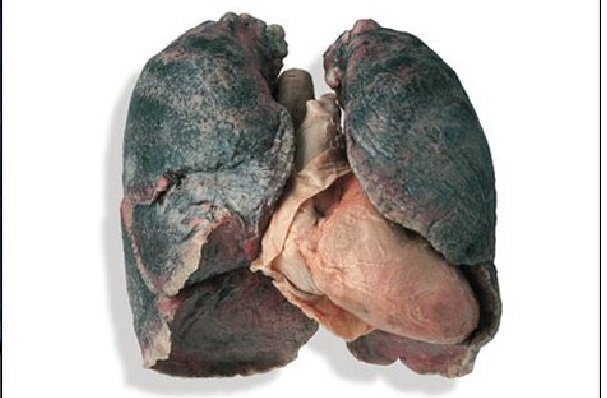
The Black Lung Lie
 © Smoking Science
Black lungs are not caused by tobacco smoke Another common misconception surrounding smoking tobacco is that the smoke in and of itself is capable of turning lung tissue black. This feat is actually physically impossible, however. The lung tissue can only turn black when it is either cancerous or necrotic, or when significant amounts of elemental carbon is inhaled for prolonged periods of time.
Where can you find elemental carbon? In coal mines, not in cigarettes. And guess what? Surgeons are unable to tell the difference between smokers’ lungs and non-smokers lungs.
Here are some first-hand accounts from professionals in the medical field:10
“Smoking does not discolour the lung.” – Dr. Duane Carr, Professor of Surgery at the University of Tennessee College of Medicine
“I have examined thousands of lungs both grossly and microscopically. I cannot tell you from examining a lung whether or not its former host had smoked.” – Dr. Victor Buhler, Pathologist at St. Joseph Hospital in Kansas City
“...it is not possible grossly or microscopically, or in any other way known to me, to distinguish between the lung of a smoker or a nonsmoker. Blackening of lungs is from carbon particles, and smoking tobacco does not introduce carbon particles into the lung.” – Dr. Sheldon Sommers, Pathologist and Director of Laboratories at Lenox Hill Hospital, New York
Finally, here is a quote from Richard White’s Smoke Screens:11
“This notion of smoking causing the lungs to turn black can be traced back to 1948. Ernst Wynder, then a first-year medical student in St Louis, was witness to an autopsy of a man who had died of lung cancer and he noted the lungs were blackened. The sight roused his curiousity and he looked into the background of the patient – discovering that there was no obvious exposure to air pollution, but that the deceased had smoked two packs of cigarettes a day for thirty years, he linked the two. Wynder then spent his career ‘proving’ cigarettes caused cancer, although he was forced to admit the data he had compiled was inaccurate (Wynder later published books containing slides of black, cancerous lungs, leading people to assume it was smoking that caused it. He later admitted he was wrong, though.”
The Health benefits of Tobacco
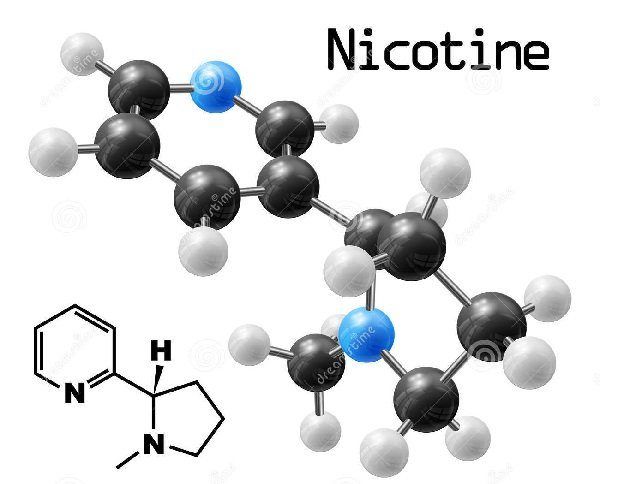
Nicotine is one of the main components of tobacco and displays a wide variety of healing properties, which is why it is currently the subject of some fascinating new scientific research. To truly appreciate the benefits of nicotine, however, we must first examine its primary mechanisms of action.
Nicotine is the protoypic agonist of the nicotinic subtype of acetylcholine receptors. What this basically means is that nicotine is compatible with acetylcholine receptors in the body and has the ability to bind to them. This action is responsible for triggering a cascade of chemical reactions, although its main effect is to stimulate the release of a wide variety of neurotransmitters, including dopamine, serotonin, noradrenaline and, primarily, acetylcholine. According to Dr Gabriela Segura12, “Acetylcholine is a neurotransmitter responsible for learning and memory. It is also calming, relaxing and is also a major factor regulating the immune system. Acetylcholine also acts as a major brake on inflammation in the body and inflammation is linked to every known disease.” When nicotine binds to α7 nAChR (acetylcholine receptors tied to immunity), it activates a system known as the ‘cholinergic anti-inflammatory pathway’, which is responsible for decreasing inflammation in the body. Therefore, nicotine is actually an anti-inflammatory molecule.
The paper13 ‘Nicotine, an anti-inflammation molecule’ deals with this topic extensively, explaining that “nicotine stimulation plays a key role in suppressing inflammatory cytokine production, can significantly down-regulate and delay inflammatory and autoimmune responses in the central nervous system, and could further attenuate neuro-inflammation. Nicotine-treated mice injected with lethal doses of influenza A virus infection also displayed longer survival rates when compared to control groups.” The author finally states:
“These in vitro and in vivo results further confirmed the anti-inflammatory effect of nicotine. Our study offered the first evidence that the anti-inflammatory effect of nicotine in cigarette smoke might be the key contributor for the alleviation of the disease severity of both pdmH1N1 and H9N2 influenza A virus infection, and such anti-inflammatory effect was through the α7 nAChR signaling pathway.”
Considering the beneficial effects of acetylcholine on the brain and nervous system, let’s take a look at how smoking affects brain function.
A commonly known fact among cognitive psychologists and neuroscientists is that nicotine significantly increases cognitive functioning. The US government published a meta-analysis study14 in 2010 (conducted by the National Institute on Drug Abuse) which reviewed all of the literature on nicotine’s effect on the brain. Out of a total of 256, 48 of the highest quality standardized computer test studies were chosen for review. On these tests, half of the participants received nicotine and the other half were given a placebo. The results showed that people who received nicotine performed better on almost every test, whether they were smokers or not, and especially in areas of memory, speed, precision, focus and attention. The study also showed that nicotine users performed significantly better in other areas such as long-term memory, semantic memory, arithmetic & complex calculations, and gross motor skills.
Nicotine is clearly very beneficial for cognitive function, but when compared to actually smoking tobacco, we can see that isolated nicotine simply isn’t as effective. A study15 conducted by Warburton et al found:
“[Smoke-free] nicotine produces improvements in mental efficiency, which are qualitatively similar to the improvements produced by smoking, although our findings on vigilance and rapid information processing indicate that the improvements are quantitatively smaller than those produced by smoking.”
Another study16 published in 2014 showed that an increase in nicotine receptors (induced by smoking) was associated with lower levels of social withdrawal and better cognitive function. There is actually a wealth of information on nicotine’s favourable physiological effects which can be retrieved from scientific data alone, yet none of this information manages to filter through to the public eye. However, this should not be surprising for those who understand how often mainstream media and Big Pharma effectively distort or suppress information which is not conducive to the official narrative they are attempting to convey.
Finally, researcher David. M. Warburton from the Department of Psychology at the University of Reading, concluded that:17
1. Nicotine improves attention in a wide variety of tasks in healthy volunteers.
2. Nicotine improves immediate and longer term memory in healthy volunteers.
3. Nicotine improves attention in patients with probable Alzheimer’s Disease.
4. While some of the memory effects of nicotine may be due to enhanced attention, others seem to be the result of improved consolidation as shown by post-trial dosing.
Now let’s take a look at some of the other potentially therapeutic and beneficial aspects of the tobacco plant…
Mono Amine Oxidase Inhibition
Monoamine oxidases (MAO’s) are enzymes in the body that are responsible for degrading biogenic amine neurotransmitters such as Noradrenaline (Norepinephrine), Serotonin and Dopamine. Mono amine oxidase inhibitors (MAOIs) are chemicals that inhibit the action of these enzymes to increase the availability and quantity of the biogenic amines. For this reason, MAOI containing drugs were developed by pharmaceutical companies in the late 1950s and were sold as anti-depressants. Interestingly enough, however, an unknown property of tobacco smoke has been shown to contain naturally occurring MAOIs. This is reflected in numerous studies18 demonstrating that smokers have significantly lower levels of both types of MAOs (A and B), which basically means that smoking acts as a natural antidepressant without any of the horrible side effects common to many synthetic pharmaceutical drugs. Another interesting fact is that the drug ‘Deprenyl’, an MAOI, has also been shown, on several occasions19,20, to markedly increase the lifespan of a variety of mammallian species in lab settings. This fact is something to keep in mind because we will be returning to it later on.
Glutathione: The “Master Antioxidant”
As an antioxidant, Glutathione’s function is to protect virtually every cell in the body by neutralizing damage caused by reactive oxygen-species (free radicals), heavy metals, and peroxides/lipid-peroxides. It is a chief component of the body’s natural defense systems and is required for the accomplishment of a host of cellular processes which include cellular differentiation and proliferation. What makes glutathione so special is that, unlike other antioxidants, it is intracellular and has the ability to maintain other antioxidants in their reduced (active) form to maximize antioxidant activity. It plays a critical role in detoxification processes, which is why the majority of the body’s stores of glutathione can be found in the liver. It also influences immune function significantly, and glutathione depletion has been associated with cancer, diseases of aging, cystic fibrosis, cardiovascular, inflammatory, immune, metabolic, and neurodegenerative diseases.21 The alternative health community acknowledges this molecule as the “mother of all antioxidants”, and rightly so. Interestingly, smokers’ lungs have been found to contain 80% more glutathione than the lungs of non-smokers.22
Higher concentrations of glutathione in the lungs offer increased levels of protection against foreign material and pathogenic agents. What these findings suggest is that smoking tobacco may actually have a protective effect on lung tissue by up-regulating glutathione levels, however the mechanism behind this up-regulation was not covered in this particular study. Another experiment23, however, sought to directly measure glutathione’s response to tobacco smoke and here’s what they found:
“CS [cigarette smoke] exposure initially decreased ELF GSH [glutathione] levels by 50% but within 2 hours, GSH levels rebound to about 3 times basal levels and peaked at 16 hours with a 6-fold increase and over repeat exposures were maintained at a 3-fold elevation for up to 2 months.
CS exposures evoke a powerful GSH adaptive response in the lung and systemically. […] Factors that disrupt GSH adaptive responses may contribute to the pathophysiology of COPD.”
So first of all, they theorize that a smoking-induced “glutathione adaptive response” is the mechanism which drastically up-regulates glutathione systems in this case. This also implies that tobacco has a protective effect on the lungs. Secondly, they state that factors disrupting this mechanism may contribute to Chronic Obstructive Pulmonary Disorder (COPD). This statement contradicts mainstream health sources, because according to these sources, smoking is the main cause of COPD. But if smoking clearly upregulates the “glutathione adaptive response”, and COPD is caused by an under-active “glutathione adaptive response”, then how can smoking alone be the main cause of COPD? In fact, it is more reasonable to conclude that smoking can actually prevent COPD via the GSH adaptive mechanism.
Catalase and Superoxide Dismutase
Catalase is an antioxidant enzyme that functions to protect cells from the damaging effects of hydrogen peroxide by catalysing its conversion into oxygen and water. It is therefore an important component of the body’s immune and detoxification pathways. Superoxide dismutase (SOD) is also an important antioxidant enzyme that neutralizes superoxide, a by-product of oxygen metabolism. Together, these are two of the body’s most remarkable antioxidants which play critical roles in protecting against oxidative/peroxidative cellular damage and are closely tied to longevity. Much like glutathione, catalase and SOD also appear to be controlled by some kind of antioxidant “adaptive response”. A recent study24 found that “Superoxide dismutase enzyme levels in the blood and saliva were significantly higher in smokers than in nonsmokers and the controls”. Furthermore, it was also discovered – in a separate experiment25 – that tobacco smoke-exposed hamsters were shown to have roughly double the amount of both Catalase and Superoxide Dismutase than hamsters who were not exposed to smoke.
The increase in glutathione, catalase and superoxide dismutase may partly be able to explain how tobacco smoke manages to prevent lung cancer in those inhalling radiation, exhaust fumes and asbestos. Such an increase in antioxidant activity could be the key factor that protects lung tissue and rids the body of any nasty toxins inhaled via the respiratory tract.
Hormesis
One common criticism made by anti-smokers is that tobacco smoke contains Carbon Monoxide, which is supposedly poisonous, so therefore smoking is bad. However, this view is based on the faulty assumption that any dose of carbon monoxide is harmful. No doubt, a high dose of carbon monoxide can be fatal. But what these anti-smokers probably don’t realise is that Carbon Monoxide is actually hormetic. The process of hormesis is characterised by the introduction of a low-dose toxin into the body which triggers the body to respond in a beneficial way. On the other hand, at high doses the same toxin has a detrimental effect. Hormesis is one of the body’s most effective means of making adaptive changes on the cellular level in response to external stressors by up-regulating detoxification pathways, and is a sure way to protect against disease. Other popular hormetic agents include curcumin and polyphenol compounds in green tea. Heck, even exercise is said to be hormetic!
Fortunately for smokers, there is now a growing body of evidence demonstrating carbon monoxide’s potent hormetic effects and potential therapeutic benefits. Researchers at the Molecular Gastroenterology and Hepatology department of research at the University of Kyoto, Japan, say:26
Recent accumulating evidence has suggested that carbon monoxide (CO) may act as an endogenous defensive gaseous molecule to reduce inflammation and tissue injury in various organ injury models, including intestinal inflammation.
…Potent therapeutic efficacies of CO have been demonstrated in experimental models of several conditions, including lung injuries, heart, hepatic and renal I-R injuries, as well as inflammation, including arthritis, supporting the new paradigm that CO at low concentrations functions as a signaling molecule that exerts significant cytoprotection and anti-inflammatory actions.
Now consider the fact that the human body continuously goes through a constant state of producing and recycling CO, and CO poisoning can only occur when the body becomes overburdened by an extremely large amount. Cigarette smoke contains such low quantities of CO that it would be pretty much impossible to smoke enough to induce poisoning. With this in mind, it is safe to assume that as long as someone doesn’t stick their head in front of a car exhaust pipe, the chances of them experiencing carbon monoxide poisoning from smoking tobacco is pretty low. To the contrary, the amount of carbon monoxide inhaled from cigarettes may actually have a hormetic effect.
Tobacco provides protection?
According to conventional medical dogma, tobacco is mankind’s worst enemy. However, as the evidence suggests, tobacco smoke possesses a wide variety of medicinal properties that are beneficial to human health and longevity. Additionally, there have been several studies that demonstrate tobacco’s protective effects against numerous disease-causing agents and chronic health conditions.
First of all, one study27 conducted on the respiratory health of aluminium potroom workers showed that “smokers in the potroom group had a lower prevalence of respiratory symptoms than never smokers or ex-smokers.” Given what we’ve already seen, these results are unsurprising. Furthermore, smoking also appears to protect against several other seemingly unrelated health issues.
For example, it has been well documented that smoking vastly decreases someone’s risk of developing osteoarthritis (OA)28and provides some level of protection against it. Smokers demonstrate significant protection at four sites commonly seen in OA patients (knee, spine, hand and foot)29. Smoking also presents a negative correlation with large joint OA and has been shown to decrease the risk of OA in obese individuals.30 Experts have theorized that this may be because nicotine has beneficial effects on bone maintenance, growth and repair. Furthermore, according to L. Gullahorn, M.D, “of the more than 400 agents found in cigarette smoke, nicotine is one of the most physiologically active components. An in vitro study recently published demonstrates that nicotine is a potent stimulator of bone cell synthetic activity.”31
Secondly, it is commonly known in the scientific community that neurological diseases such as Alzheimer’s and Parkinson’s present a much lower risk in smokers; so much so that methods of treatment using nicotine (and its byproducts) are now being actively developed by pharmaceutical companies for new neurological treatments.
Thacker et al32 analyzed data from the smoking histories of 79,977 women and 63,348 men and found that, when compared with non-smokers, former smokers had a 22% lower risk of developing Parkinson’s disease, while current smokers had a staggering 73% lower risk.Gorel et al33 also reported an inverse association between smokers and Parkinson’s. But the interesting thing about this study was that the inverse association strongly increased with people who were heavy smokers. These results suggest that the more a person smokes, the lower their chances of contracting this disease. The authors concluded:
“The inverse dose-response relationship between PD and smoking and its cessation is unlikely to be due to bias or confounding, as discussed, providing indirect evidence that smoking is biologically protective.”
Yet another study34 also concluded: “We report here that nicotine afforded neuroprotection to dopamine neurons.”
Similar results have also been found in studies on Alzheimer’s disease. A strong inverse association between smokers and individuals with Alzheimer’s has been shown,35 and according to the author:
“The risk of Alzheimer’s disease decreased with increasing daily number of cigarettes smoked before onset of disease.”
With these results in mind, smoking tobacco seems to be an effective preventative measure. Researchers are still unsure as to how this protection and treatment occurs, although most seem to be confident that it is related to nicotine. Nicotine has also been used to effectively treat individuals with Attention Deficit Hyperactivity Disorder and Tourette syndrome. In addition to this, cotinine is a substance that is now being studied for its potential therapeutic benefits. It is one of nicotine’s metabolites and has been shown to improve learning and memory, and which also has the ability to protect brain cells from the damage caused by both of these diseases.
Another well-documented fact is that the rates of smoking among schizophrenics are typically much higher than in the average population, with some studies36 showing that approximately 90% of them are smokers. Yet, curiously enough, schizophrenics have been shown37to be between 30-60% less likely to develop lung and other cancers. So what do these figures suggest about smoking as the main cause for cancer? I will let you decide.
It has been theorized that these high smoking rates could be due to the stimulating cognitive effects of nicotine, which may help schizophrenics filter out irrelevant external sensory information. A study38 at Yale University found:
“…when study subjects with schizophrenia stopped smoking, attention and short-term memory were more impaired, but, when they started smoking again, their cognitive function improved.”
Evidence from Sweden has also shown39 that the more cigarettes men smoked at an earlier age, the lower chance they had of developing schizophrenia later on in life. Their conclusion was that smoking can act as a neuro-protective preventative measure against developing schizophrenia.
Western medicine is renowned for pumping patients full of dangerous and ineffective medications for the profit of Big Pharma corporations. The system not only lacks sufficient support for people with mental-health problems; what is even more appalling is that many institutions actually deprive in-patients of the right to smoke, despite it being one of their most effective means of self-medication.
Aside from neurological diseases, smoking has been found to consistently reduce the risk of developing Ulcerative Colitis, an inflammatory bowel disease. According to Lashner et al40, “non-smokers are approximately three times more likely to develop Ulcerative colitis.”One review41 suggests that current smokers are associated with an approximately 42% reduced risk; however, former smokers are associated with increased risk when compared to non-smokers. This evidence again seems to indicate that smoking may be protective, and that people who quit smoking actually place themselves at higher risk. Additionally, smokers with Ulcerative Colitis have also been found to present more benign symptoms than those who did not smoke.41
Interestingly, smoking does not seem to benefit many who are diagnosed with Crohn’s disease, which is another inflammatory bowel disease. Statistically, both men and women are at much higher risk of developing Crohn’s if they are smokers, and one study42 even suggests a threefold increased risk in women who smoked. This apparent anomaly makes no sense when we consider these data in isolation. However, a growing body of evidence is shining light on the possible genetic origins of this disease. Likewise, there is evidence to suggest that genetic factors may play a role in tobacco smoking/nicotine consumption – people may literally be genetically predisposed to smoke, or not. Similar genetic patterns in blood have been found among smokers when compared with non-smokers. Some genes have also been found43 to be more active in smokers, whilst others were less active compared to those of non-smokers. Researchers44 theorize that genes responsible for neurotransmitter production and metabolism, cell receptor regulation and nicotine metabolism may play an important role in determining whether someone is likely to smoke or not.
What strikes me as most compelling here is that the evidence points to there being a biological difference between smokers and non-smokers. Perhaps this could help explain why some people are naturally drawn to smoking when they are in their teenage years, while others go a whole lifetime without having the slightest urge to smoke. It may also account for why some smokers can live a very long life without developing lung cancer, whereas someone else may smoke for a couple of years and not benefit whatsoever from its protective properties. With genetics in mind, the Crohns/Ulcerative Colitis paradox doesn’t seem so odd. Perhaps someone’s smoking-compatible genetics may also act as a protective factor against other pathological conditions? Science is yet to answer these questions.
Smoking and Mitochondrial function
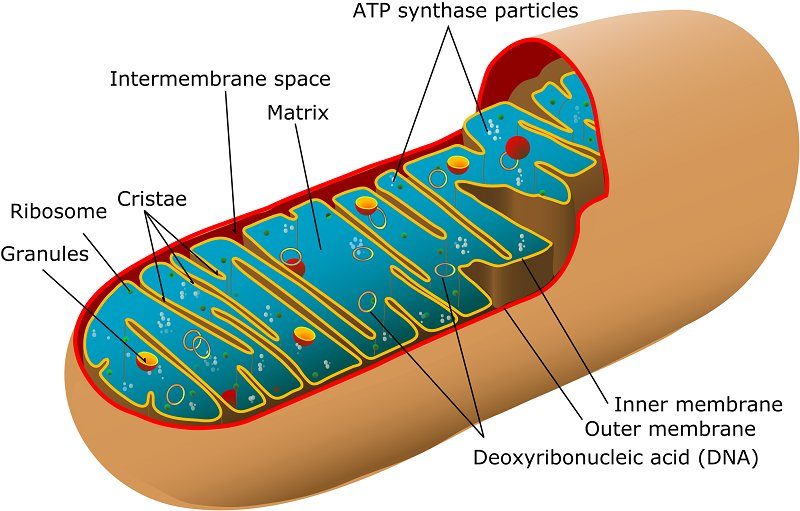
To understand how smoking tobacco may affect mitochondrial function, let’s look at how mitochondria work.
Mitochondria are located within the cell and are known as the “powerhouse” responsible for generating energy to supply the body’s metabolic requirements. The mitochondria’s function is to take electrons from the environment and use them to synthesize Adenosine Triphosphate (ATP), the body’s supposed ‘energy source’ (Gilbert Ling would disagree with this). Through a process called cellular respiration, electrons taken from digested food are shuttled past the mitochondrial membrane with help from specific molecules (via electron chain transport) so that the mitochondria can create ATP. The common theory of ATP is that it is used to fuel the majority of processes in the body. Again, this theory is debatable. What is accepted, however, is that ATP is absolutely essential for human life to exist. Recent work by researchers like Doug Wallace and others indicates that mitochondrial dysfunction may be at the root of most modern-day diseases. This means that maintaining healthy mitochondrial function is of vital importance.
One of the key players involved in ATP production is the redox molecule Nicotinamide adenine dinucleotide (NAD). NAD is present in all living cells and is available in two forms: NADH and NAD+. Both forms are essential for proper cellular energy transfer, and insufficient amounts can result in mitochondrial dysfunction. NADH’s function is to carry electrons in the mitochondria to facilitate ATP synthesis. Once NADH has donated those electrons, it becomes NAD+. NAD+ has been shown45 to increase the rate of DNA repair, stress resistance, and regulate cell apoptosis. Furthermore, NAD+ also restores tissue integrity, induces homoeostasis, and increases longevity of the cell46. The cell senses levels of NAD+ as a measure of mitochondrial energy production and rate of metabolism. For this reason, the amount of NAD+ converted actually plays a significant role in regulating the rate of ATP synthesis and cellular metabolism.47 Low levels of NAD+ reduce mitochondrial energy production, decrease the number of mitochondria in the cell48 and contribute significantly to muscular ageing processes.49 Interestingly, NAD+ also has the ability to alter gene expression by “switching off” genes associated with degenerative processes.50
To follow on, SIRT1 (sirtuin) is a NAD-dependent protein coded for by the SIRT1 gene that cannot function without NAD+. So when NAD+ levels decrease, SIRT1 levels also decrease, and vice versa. SIRT1 turns out to be one of the single most important enzymes in control of epigenetic expression, metabolism and longevity. Studies have shown that SIRT1 inhibits MTOR pathway signalling, increases leptin sensitivity51, increases T3 hormone sensitivity52, and also increases the skin’s sensitivity to Vitamin D.53 SIRT1 also inhibits/switches off genes associated with inflammation54, blood sugar regulation, and body fat accumulation/storage.55
So, how does this relate to smoking tobacco?
One study56 conducted by Cancer Research in 2012 showed:
SIRT1 activity was the most consistently and significantly up-regulated in smokers compared to non-smokers in all 4 datasets. While SIRT1 was activity correlated to smoking status, SIRT1 pathway activation was not significantly correlated with pack-years among smokers (p > 0.05; Spearman). Therefore, independent of cumulative exposure, SIRT1 activity is consistently up-regulated in smokers. This increase in SIRT1 activity may serve as a protective effect against oxidative stress and DNA damage induced by smoking.
Considering the fact that SIRT1 can only function in the presence of NAD+, these findings suggest that NAD+ must also be up-regulated in smokers. An elevated level of NAD+ suggests more efficient mitochondrial function. For some people (who may possibly be genetically compatible), consuming tobacco is not a burden on the body. This finding may provide valuable insight into why many smokers end up leading long and disease-free lives. Perhaps these people do not live so long despite their smoking habits, but actually live so long because they smoke. Below are some real-life examples of this.
Big Shocker: Most “Supercentenarians” were/are smokers